
Better is possible. It does not take genius. It takes diligence.
The first night home
It's the first night home from hospital. There's a paper bag from the pharmacy on the kitchen table, a letter nobody has opened, and a drawer of old tablets that were supposed to stop on Tuesday. A daughter is on the phone to her brother, trying to work out which pill is the new blood thinner and which one is the vitamin D.
Nobody in this story did anything wrong. The hospital did its job and the pharmacy filled the script.
And still, nobody checked.

The gap
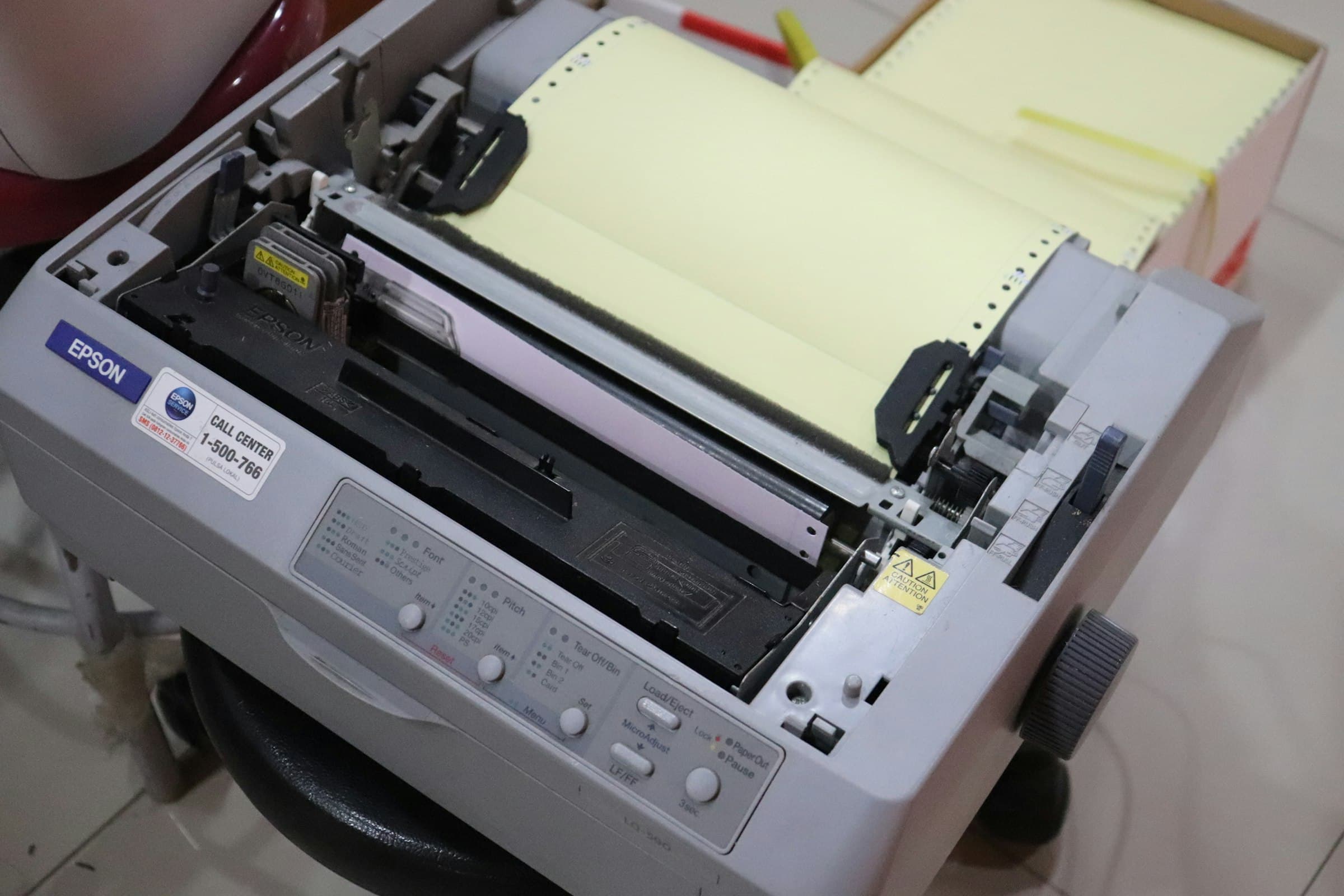
Every consult ends with a promise of some kind, and every promise turns into a job for someone. That job then depends on a person remembering it on a day when the waiting room is full and the printer has jammed again, and memory makes a poor system.
Picture that kitchen table in every suburb in the country, and a referral nobody has followed up in every clinic's outbox. None of it makes the news. It's the most ordinary failure in medicine: care decided correctly in the room, then left to chance on the way home.

A generation of tools
Walk into most clinics and somewhere there's a fax machine that somebody swears is going next year. Around it sit the newer systems, each of which promised to save time and added a login instead.
The reminder service sends one text and then waits, politely, for your staff to do the rest. It's a bit like being given a better alarm clock when what you needed was a lift to work.
Clinics were handed tools to operate. What they needed was the work itself done.
What we reject
There's a lot of health technology that adds another screen to a clinician's day, and a fair amount that shows you the gap on a dashboard and then leaves it sitting there. More recently there's been a wave of machines that seem keen to make the clinical call themselves.
We want no part of it. Medbli books the recall instead of reporting that it was missed, and it takes work off a clinician's day rather than adding to it. Every clinical decision stays with the person who holds the registration and the responsibility.
People and machines
The worry is fair. Technology in health has promised a great deal, and clinicians have spent years paying for the gap between the brochure and the waiting room.
The answer isn't less technology, though. It's technology that knows its place. A machine doesn't forget a follow-up, and it will read a forty-page hospital letter at 2am with the same care it had at 9am. A person sits at the table, notices that the patient is frightened, and owns the call.
Let the machine handle the follow-through and the staff get to look up from their screens, which is usually the moment a patient starts getting looked after properly.
Start with one crack
“Fixing health care” is a slogan, and we'd rather have a job.
So we start where the gap is easiest to see and most dangerous to ignore. In clinics that means the phone queue and the recall, the empty chair and the referral that never came back. After hospital it means older patients home with changed medicines and nobody checking them in the first week. One city first, Brisbane, with a small group of clinics, pharmacists and doctors.
After that comes the test result nobody followed up, and the memory concern a daughter raised once and never heard about again. Each of those is a known fix that never reached the patient, and the answer turns out to be the same one.

What changes
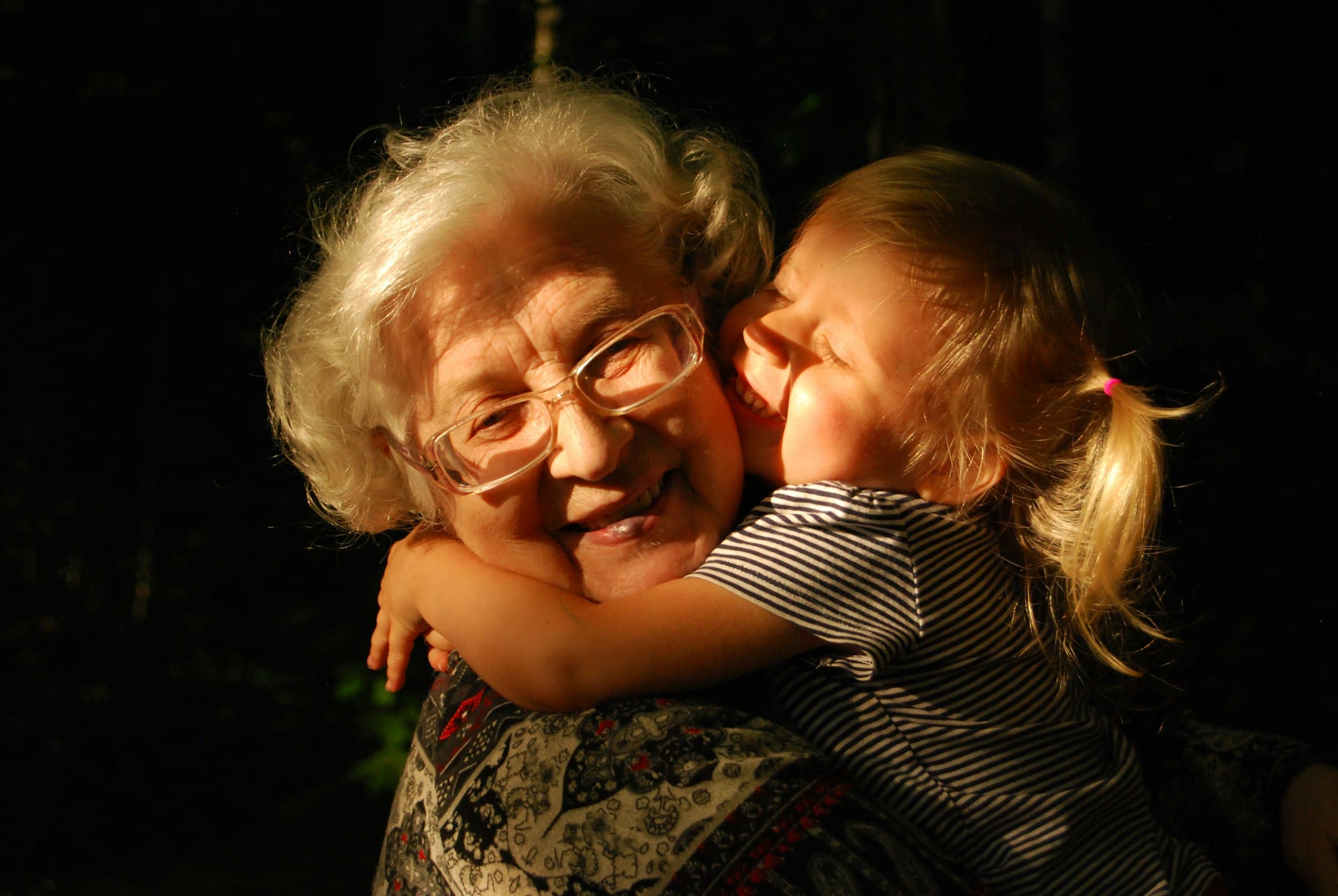
Imagine the follow-through of medicine stopped depending on anyone remembering it. The referral comes back with a letter attached, the result gets seen, and the older bloke home from hospital has a pharmacist at his kitchen table before the week is out.
People sometimes assume this is about needing fewer people in health care. If we get it right, it means the receptionist looks up when you walk in, and the GP gets home before the kids are asleep.