

Talk to us
A doorway onto a kitchen at night, a single pendant lamp lit over the table.

The care is decided in the room. We make sure everything after it actually happens.

We're building a back office for clinics that doesn't sleep and doesn't forget. It rings the patient who's overdue for a check-up and chases the specialist letter that went missing a fortnight ago, and it keeps at the paperwork until the job is finished. Anything that needs a clinician goes straight to one.

Your staff never have to log into it. The work just turns up done.

For clinics, GPs, pharmacists and hospital teams. Being built in Brisbane. Clinicians make every clinical decision.

Medicine has a follow-through gap.

Most consults end with a promise of some kind. We'll refer you, come back in six weeks, we'll ring when the results are in. Then the patient walks out to the car park and each of those promises becomes a job for somebody, on a day when that somebody already has forty other jobs and the printer is playing up again.

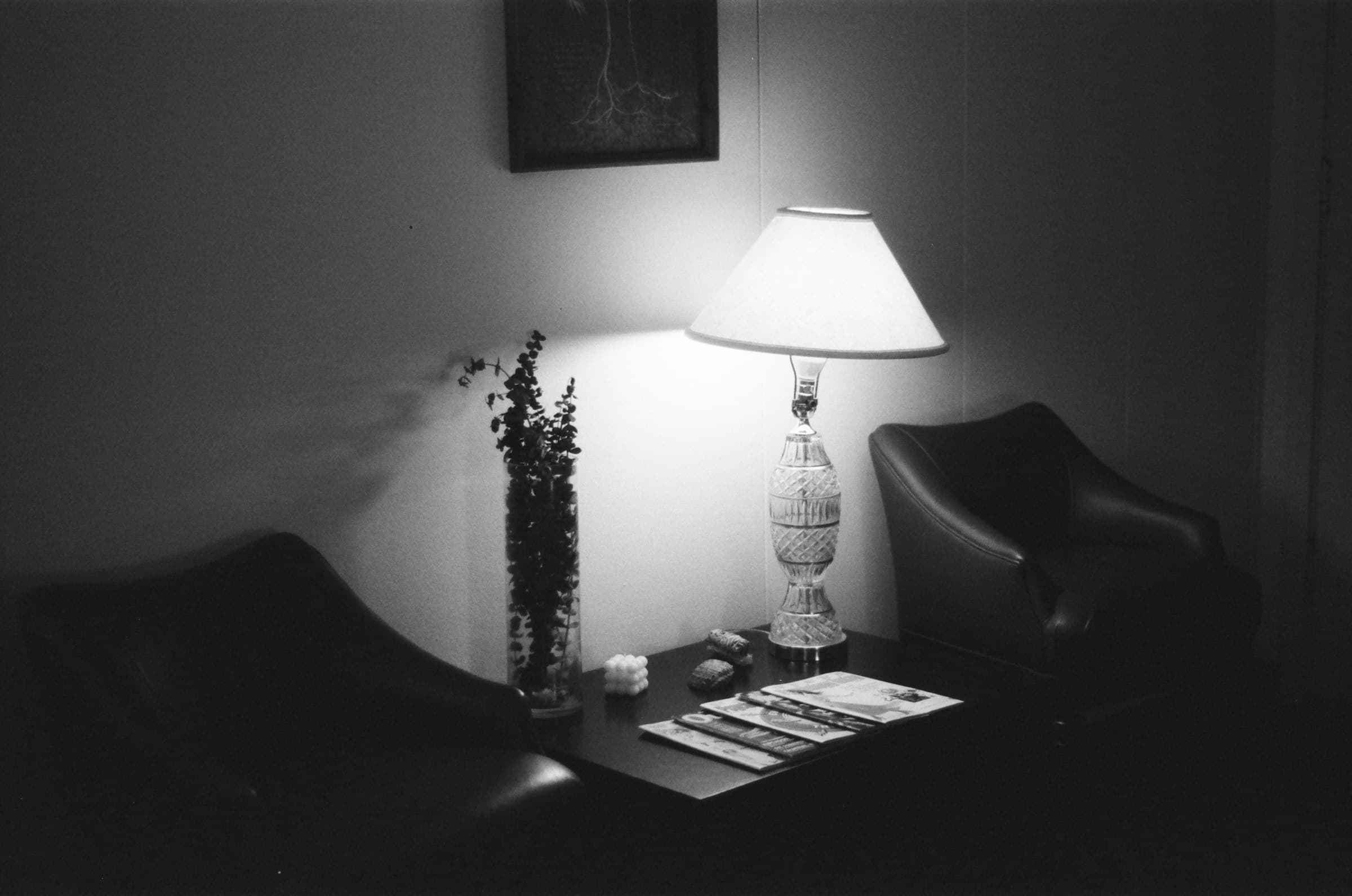
A dim waiting area: a table lamp, empty chairs and magazines.

For the clinic it looks like Monday morning. The phones start at 8:01, there's a pile of messages from overnight and a stack of letters waiting to be scanned, and somewhere in the system are a few patients who should have come back for a check and haven't. Nobody will notice that for months.

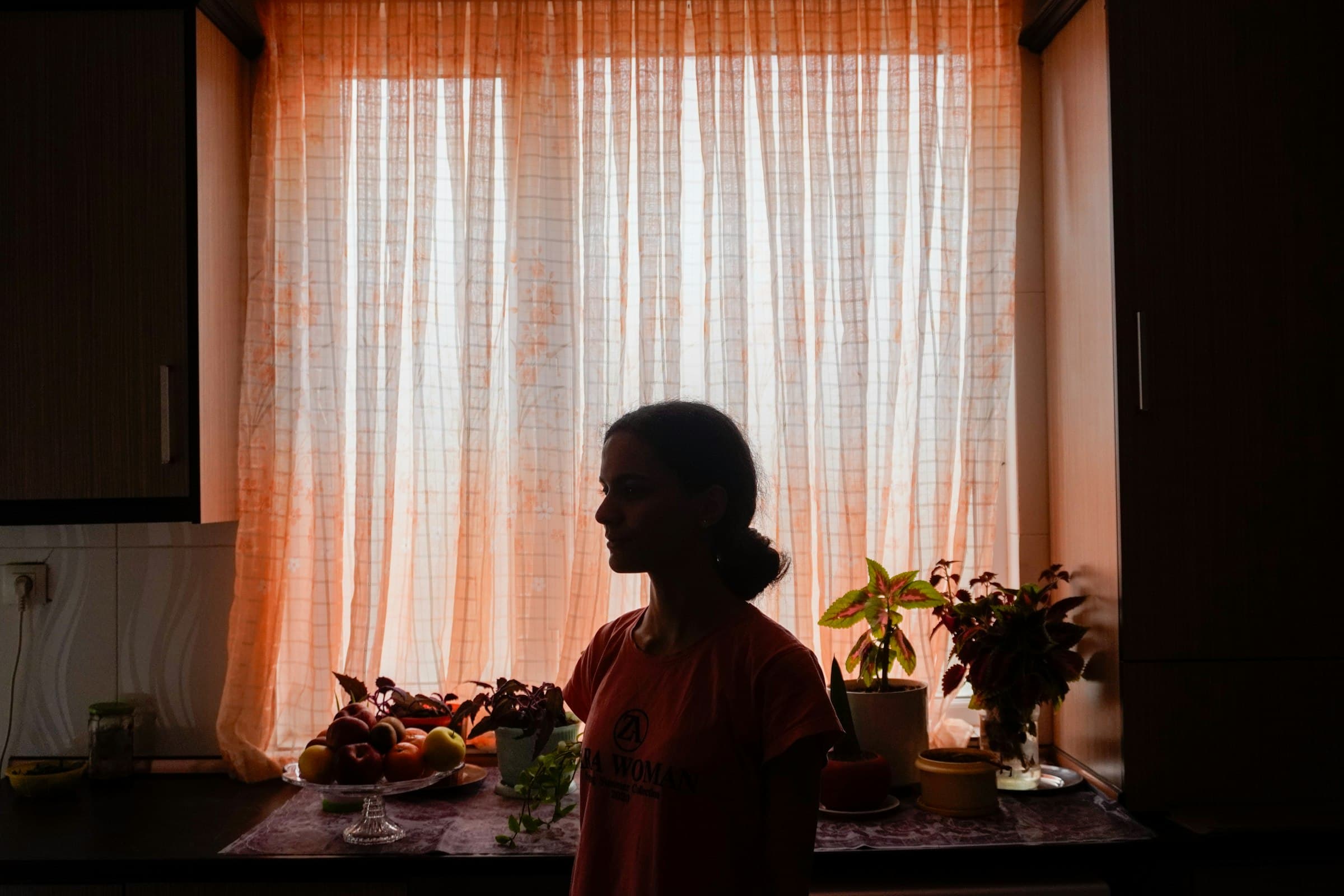
A woman in silhouette by a sunlit kitchen window.

For the patient it looks like a recall letter stuck to the fridge under a pizza-shop magnet, fading a little more each week. Or it's your mum, home from hospital with a shopping bag full of new medicines and a discharge letter nobody has read yet.

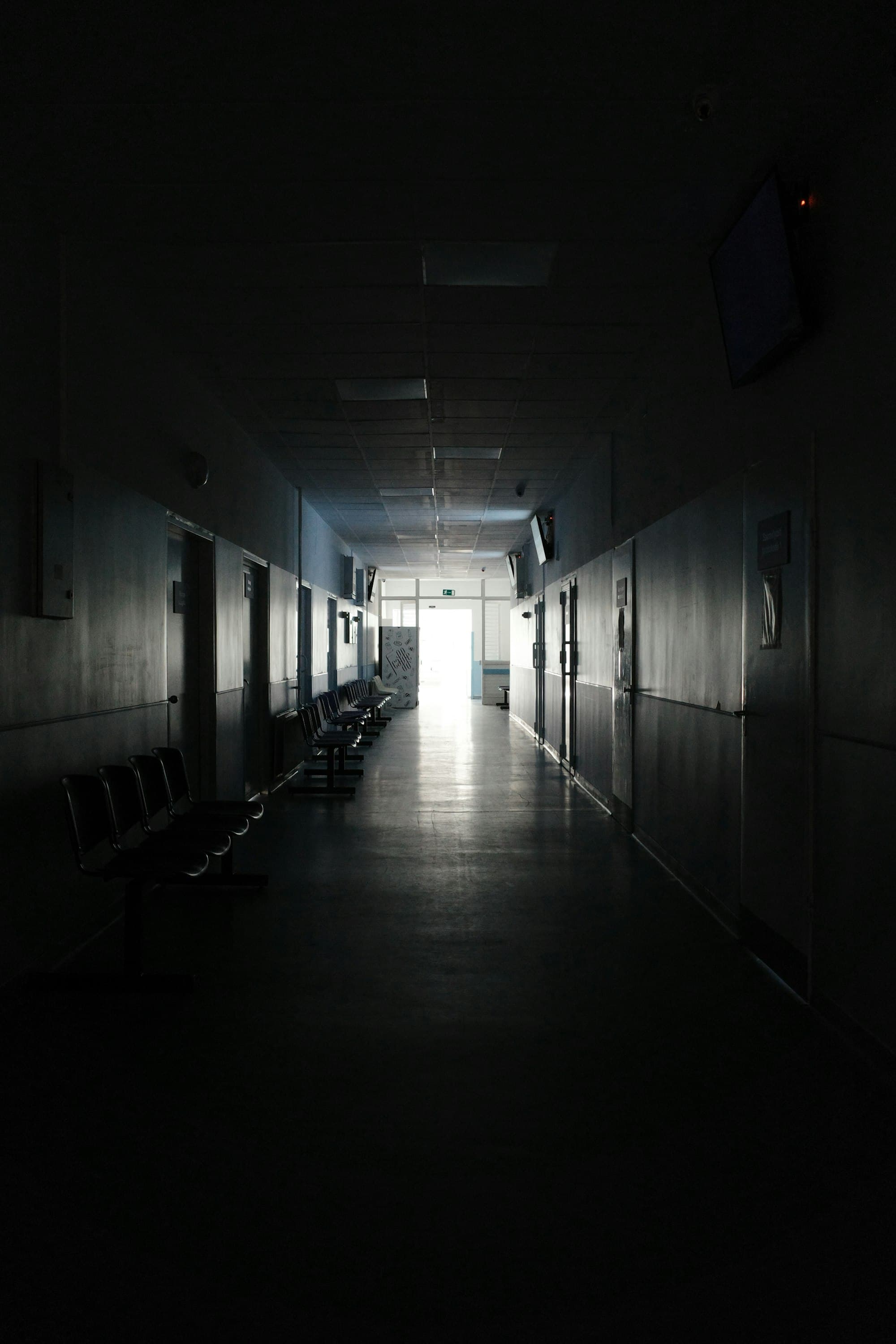
A dark hospital corridor with benches, leading toward a lit doorway.

The care was right. The follow-through just didn't belong to anyone, and that's the gap Medbli closes.

Clinics have spent twenty years being handed tools, and somebody still has to drive every one of them.

Each new system arrived promising to save time and left behind another login and another inbox for reception to keep an eye on. The reminder service sends its text, and then your staff ring the patients who didn't reply. The referral goes out electronically, and then somebody phones the specialist's rooms to check it actually landed.

Medbli goes the other way. Nobody operates it. It does the job from start to finish and only hands over the parts that need a person.

A tool your staff operateWork that gets done

Another login and another inbox, plus a password reset every few months.

Nothing new to babysit. It's built to work around the systems you already use.

Sends one reminder and leaves your staff to chase whoever didn't answer.

Follows up until the patient is booked, has answered, or has been handed to a person.

Messages and letters pile up until someone has a spare hour to read them.

It reads every message and letter, deals with what it can, and puts only the rest in front of your team.

Works when the front desk is staffed.

Works through the night and over the long weekend.

Your staff make the calls between patients.

It makes the calls and sends the texts, and talks to patients clearly and kindly, the way a good receptionist would.

You find out what slipped months later, if ever.

Every step is recorded, so nothing slips without someone knowing.

Settings and templates to manage.

You say what should happen, and it happens.

Tools wait to be used. Medbli gets on with it.

Medbli is always upfront with patients that they're talking to its automated assistant. It never gives medical advice. Anything about health goes to your clinical team.

Thirteen jobs that slip through every week, and what happens to them instead.

  1. Job 01

    The phones

    Today

    At 9am the queue is full and patients give up. Messages end up on sticky notes around the monitor.

    With Medbli

    Every call is answered, at any hour. Bookings and changes are handled, and anything clinical goes to your team.

  2. Job 02

    Recalls

    Today

    A letter goes out saying you're due, and it ends up on the fridge or in the recycling.

    With Medbli

    The patient is contacted at the right time by text or phone, and followed up until they're booked or the clinic says stop.

  3. Job 03

    No-shows

    Today

    The chair sits empty, and by the time anyone thinks to ring, the patient has drifted off for another year.

    With Medbli

    A same-day check-in and an easy rebook. If they can't be reached, the clinic is told.

  4. Job 04

    The waitlist

    Today

    Someone cancels at 8am and the spot goes to waste.

    With Medbli

    The freed spot is offered to the waitlist straight away and filled.

  5. Job 05

    Intake

    Today

    New patients fill in a form on a clipboard with a pen that doesn't work, and staff type it all in later.

    With Medbli

    Forms go out before the visit, get completed by text or over the phone, and are entered before the patient arrives.

  6. Job 06

    Referrals out

    Today

    The referral gets faxed or emailed, and from then on nobody knows if it was booked.

    With Medbli

    It's tracked until the specialist books the patient. If it stalls it gets chased, and the GP is told.

A clinician decided every one of these. Medbli's job is making sure they happen.

See all thirteen jobs
An older woman sitting quietly on her bed at home, hands folded.

The fix already exists. It just never reaches the patient.

When an older person comes home from hospital, the medicines often come home changed. A couple have stopped, one is new, a dose has gone up, and the family is handed a paper bag and a letter written for a GP.

You decide what should happen. Medbli makes sure it does.

  1. Say what should happen.

    Something like “every patient due a skin check gets booked,” or “every referral comes back with a letter.” That's the whole instruction.

  2. It does the work.

    The calls and forms, and all the chasing that used to eat an afternoon, get done around the systems your clinic already uses, including at 2am.

  3. A person decides when it matters.

    Anything clinical, unusual or uncertain goes to the right person on your team with everything they need on one page. They decide, and it carries the decision out.

  4. Every step is recorded.

    You can see what was done and who decided it.

What it will never do: diagnose, give medical advice, assess symptoms, recommend a medicine or answer a clinical question. Those go to a clinician, every time. And it's always upfront with patients that they're talking to Medbli's automated assistant.

Everyone on the far side of the consult.

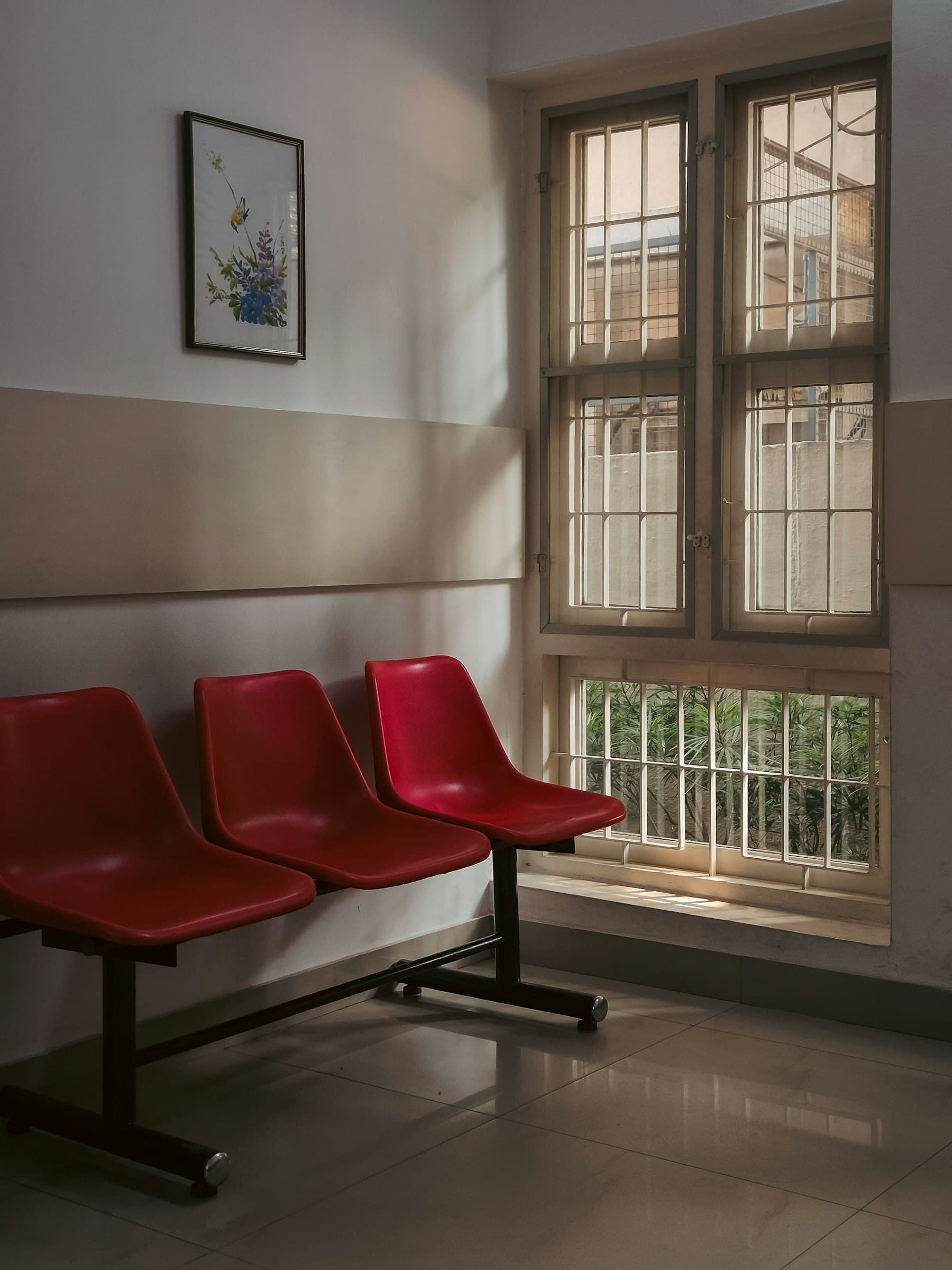
Three red chairs in an empty waiting room by a window.

Clinics and practice teams

GP, allied health, physio, dental, psychology, specialists

Reception gets to look up from the phone. The recalls, no-shows, letters and forms get done in the background, and the person standing at the desk gets your team's full attention.
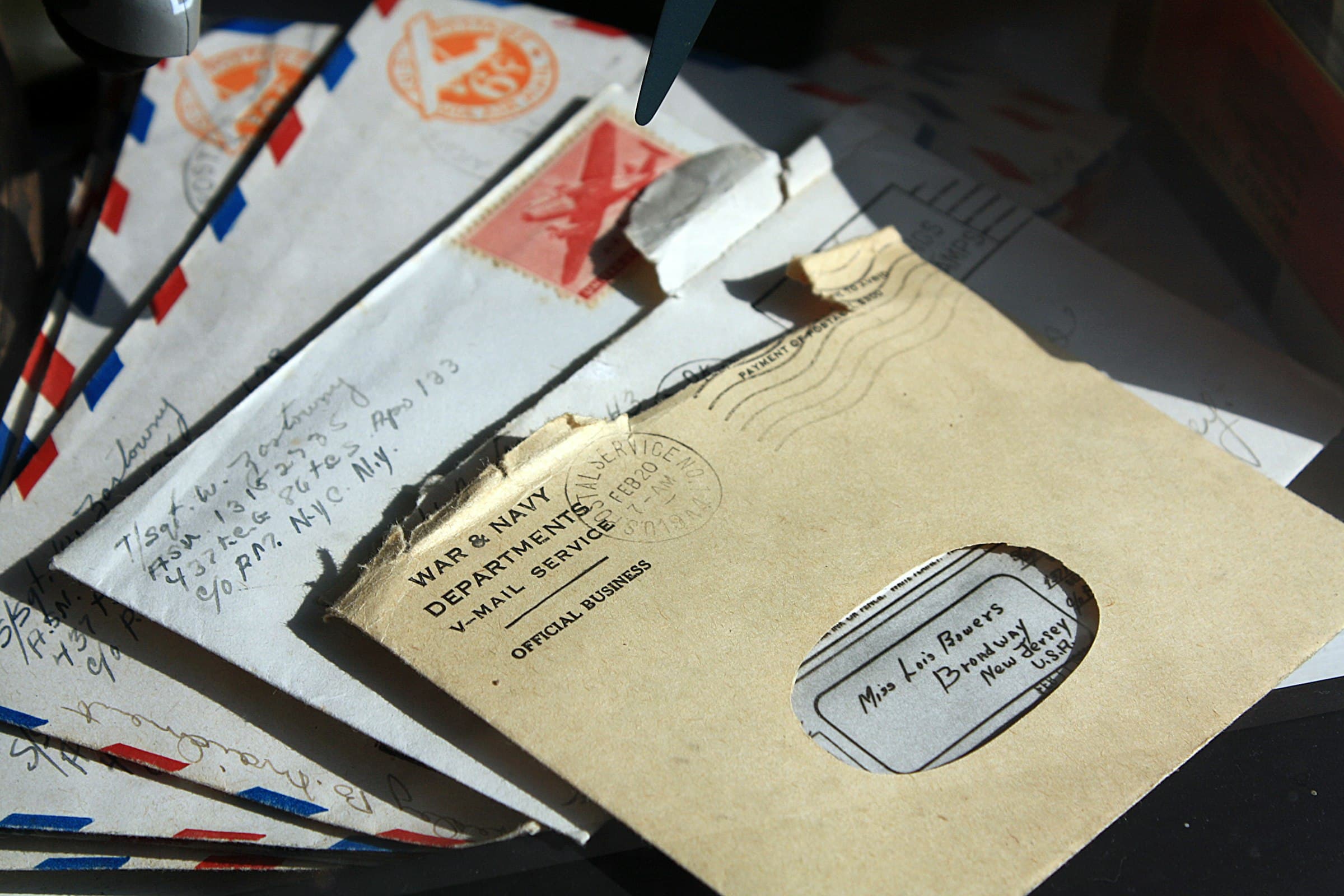
A pile of opened letters and envelopes.

GPs

Your referrals come back and your results get followed through the way you direct, and the paperwork is sitting there ready to sign instead of waiting to be started.

A long aisle between walls of white pharmacy drawers.

Pharmacists

More of the home medicines reviews you're trained for, without losing an afternoon to chasing a referral and a fax number.

Rows of labelled medicine bottles on pharmacy shelves.

Hospital pharmacy and discharge teams

The discharge plan you worked out on the ward keeps going after the patient has left the building.

An older woman with white hair and glasses being hugged by a child.

Patients and families

Medbli doesn't work with patients directly yet, and we can't give medical advice. If someone you care about has just come home from hospital with changed medicines, ask their GP or pharmacist whether a Home Medicines Review is right for them.

Brisbane at dusk, the city lit along the river beside a bridge.

Brisbane first, built alongside the people who'll use it.

We're starting in Brisbane with a small group of founding clinics, pharmacists, GPs and hospital pharmacy teams. Nothing is switched on for a single patient until it's been built and tested properly with them.

If you run a clinic, tell us the one job your team never quite gets to, the one that gets a groan at the Monday meeting. That's the first one we take off them.

Founding pharmacist

We're looking for an accredited pharmacist to help lead Medbli from the start, as a founding partner rather than an adviser on the side. If you've watched patients slip through after hospital and want to fix it, talk to us.

Talk to us

Questions people ask

It does the follow-through after the consult, from the recall to the referral to the form nobody wants to fill in, until each job is finished, and it hands every decision to a person.

No. Those are tools your staff operate: they send a message and then wait for someone to do the rest. Medbli does the work itself and only involves your team when a person needs to decide.

Not yet. Founding clinics in Brisbane go first. Register interest to be one.

No. It takes the chasing off them, so they can look after the person at the desk instead of the one on hold.

No. It never diagnoses, gives medical advice, assesses symptoms, recommends medicines or answers clinical questions. Anything about health goes to your clinical team.

Yes. Medbli always tells patients they're talking to its automated assistant, and they can ask for a person at any time.

No. It works around the systems clinics already use.

It's designed as admin and coordination work, not a medical device. We're getting formal advice to confirm that before anything goes live.

For founding clinics, we'll agree it together.

Health information is some of the most sensitive information there is, and the law treats it that way. When Medbli goes live, patient data will be used only to carry out the clinic's follow-through, and never sold. This website doesn't collect any patient health information.

We can't give medical advice, and we don't work with patients directly yet. Ask your GP or pharmacist. In an emergency, call 000.

The follow-through of medicine shouldn't depend on somebody's memory on a busy Monday.

Picture the first night home from hospital. There's a paper bag of boxes on the kitchen table, a discharge letter folded into quarters, and a drawer of old tablets that were supposed to stop. A daughter is on speakerphone to her brother in Perth, reading out drug names neither of them can pronounce.

None of that needs new science. The fix is known and already funded, and it's a pharmacist at that table some time in the next week. What's missing is somebody making sure it happens.

The same gap turns up in clinics every day in smaller ways, and for about twenty years the answer has been to give tired people another tool to operate. That's a bit like fixing a leaking roof by handing someone a nicer bucket.

We've gone the other way. Machines don't get bored of following up, and they don't mind making the fifth phone call. People bring what no machine has, like noticing that a patient sounds frightened and carrying the responsibility for a decision. So the machine does the follow-through and the clinicians do the caring.

Read the full manifesto
James D'Arcy, founder of Medbli

A letter from James

A lot of the hardest problems in health aren't waiting on a breakthrough. A surprising number are waiting on somebody to send a referral and then check it actually came back. That work isn't glamorous and it doesn't belong to anyone, which is exactly why I think it's worth doing.

The decision happens in the consult room. Everything after it is our job.

Somewhere in Brisbane tonight there's a recall letter on a fridge and a referral sitting in a fax tray. Founding clinics go first, and the first job we take off your team is whichever one they groan about loudest.

Talk to us

Tell us who you are and where follow-up breaks down for you. We'll reply within two business days.

Or call James directly

0437 389 111

Please don't include any patient details or health information in this form.

We only use your details to reply to you. See our Privacy Policy. This form isn’t for medical questions. In an emergency, call 000.